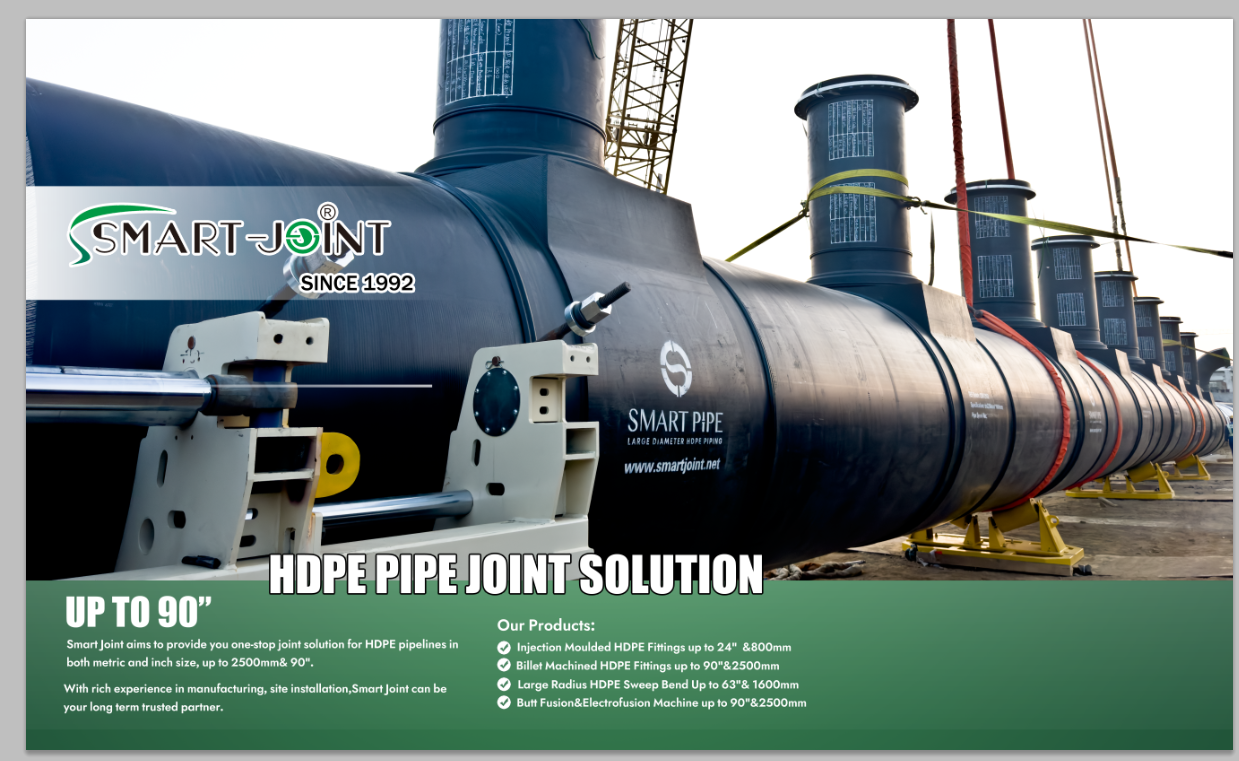
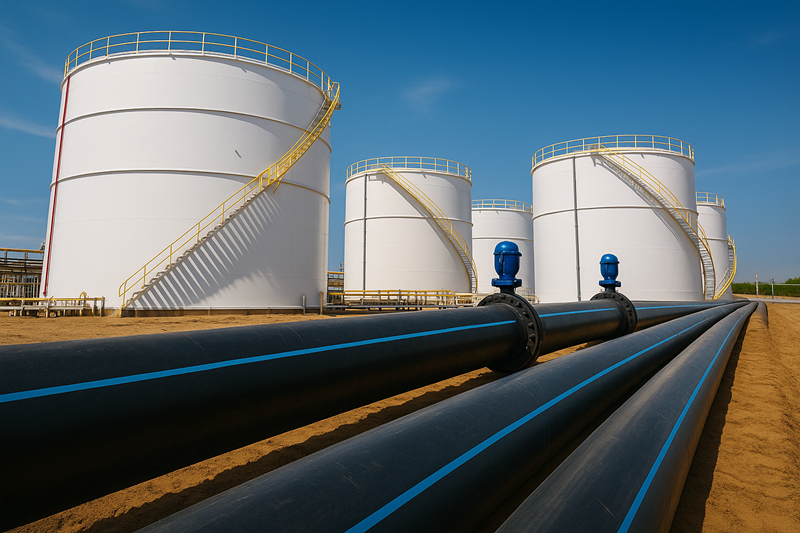
For those in the industry, PE pipe is a common term and an even more common material used in a wide variety of applications. But, for those who may not be as familiar with it, we wanted to dive deeper into what exactly PE pipe is, the benefits of using it, and where it is commonly used. So, if you're interested in learning more about this versatile material, keep reading!
What is PE Pipe?
PE, or polyethylene, pipe is a thermoplastic material that is flexible, durable, and can be easily molded or welded. It is often used in a variety of applications, including gas and water supply pipes, irrigation systems, and waste and drainage systems. PE pipe is made through a process called extrusion, which involves melting the raw material and then forcing it through a die to create the desired shape and size.
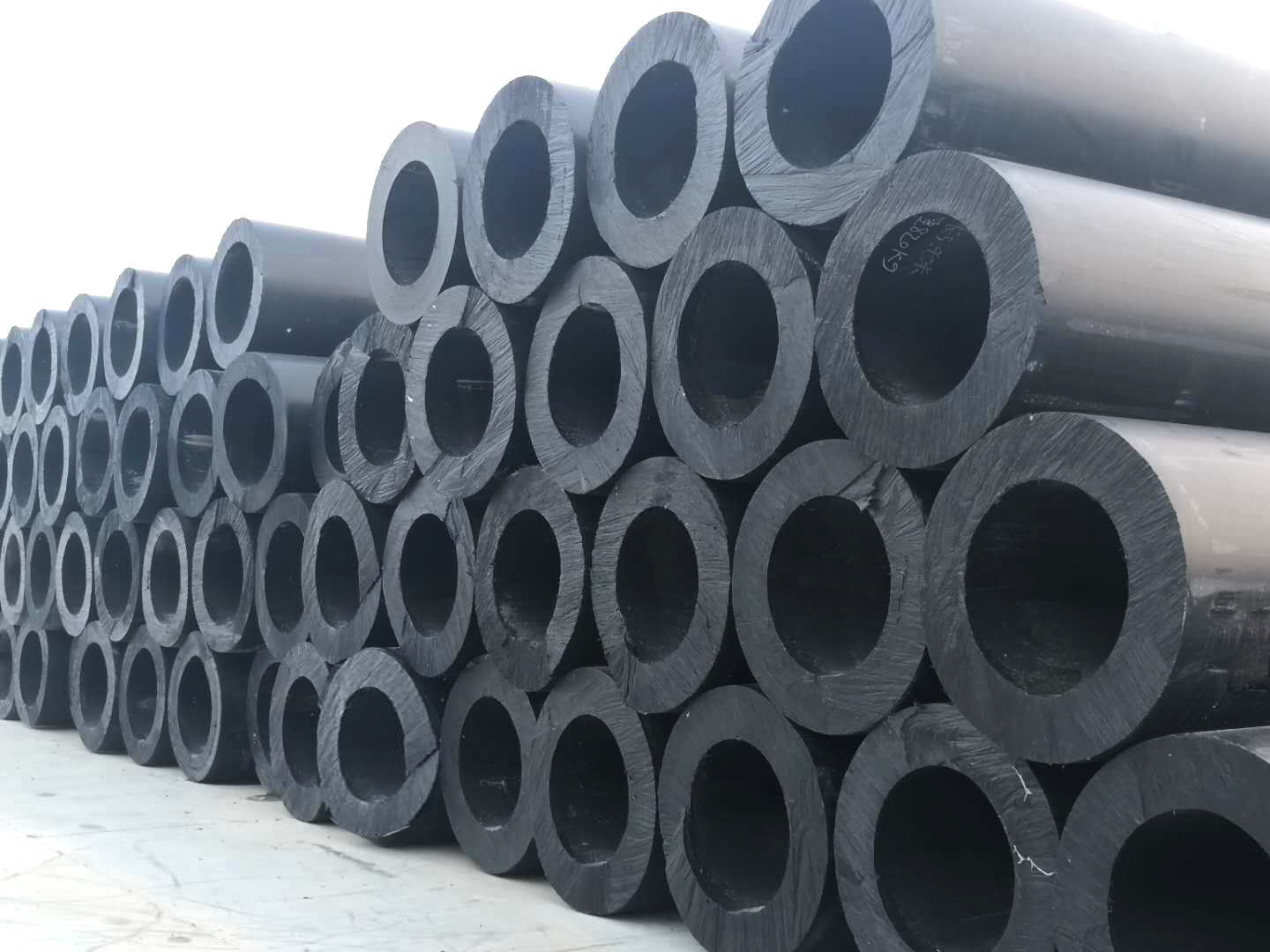
Benefits of Using PE Pipe:
One of the primary benefits of using PE pipe is its flexibility. Unlike other materials like PVC or steel, PE pipe can bend and flex without cracking or breaking, making it easier to install in challenging or complex environments. Additionally, PE pipe is also resistant to corrosion, chemicals, and abrasion, making it a durable choice for harsh environments or applications. PE pipe is also lightweight, which can help reduce transportation costs and make installation easier. Finally, PE pipe is more cost-effective compared to other materials, making it a popular choice for many industries.
Common Uses of PE Pipe:
PE pipe is used in many different industries and applications. For example, in water distribution systems, it is often used as a replacement for aging pipes because of its durability and resistance to corrosion. In gas distribution systems, PE pipe is commonly used because it is resistant to the effects of gas and can handle high-pressure applications. PE pipe is also commonly used in mining, irrigation, and drainage systems because of its flexibility and ease of installation.
Choosing the Right PE Pipe:
When it comes to selecting the right PE pipe for your specific application, there are a few key factors to consider. First, you'll want to determine the diameter and thickness of the pipe you need based on your water flow rate or gas pressure. You should also consider the environment where the pipe will be installed and select the appropriate grade of material based on the temperature, chemical exposure, and other potential stressors. Finally, you should also consider the type of connection you need, whether it be welded, mechanically coupled, or flanged.
PE pipe is a versatile and durable material that is used in a wide range of industries and applications. Its flexibility, resistance to corrosion and abrasion, and cost-effectiveness make it a popular choice for many businesses. Whether you're replacing aging pipes or installing a new irrigation system, PE pipe could be a great option for your next project. If you have any questions or need help selecting the right PE pipe for your needs, please don't hesitate to contact us at Tel :0086 432 66606688 or E-mail: sales@smartjoint.net.